
From Apes to Monkeys: A Costa Rican Shift
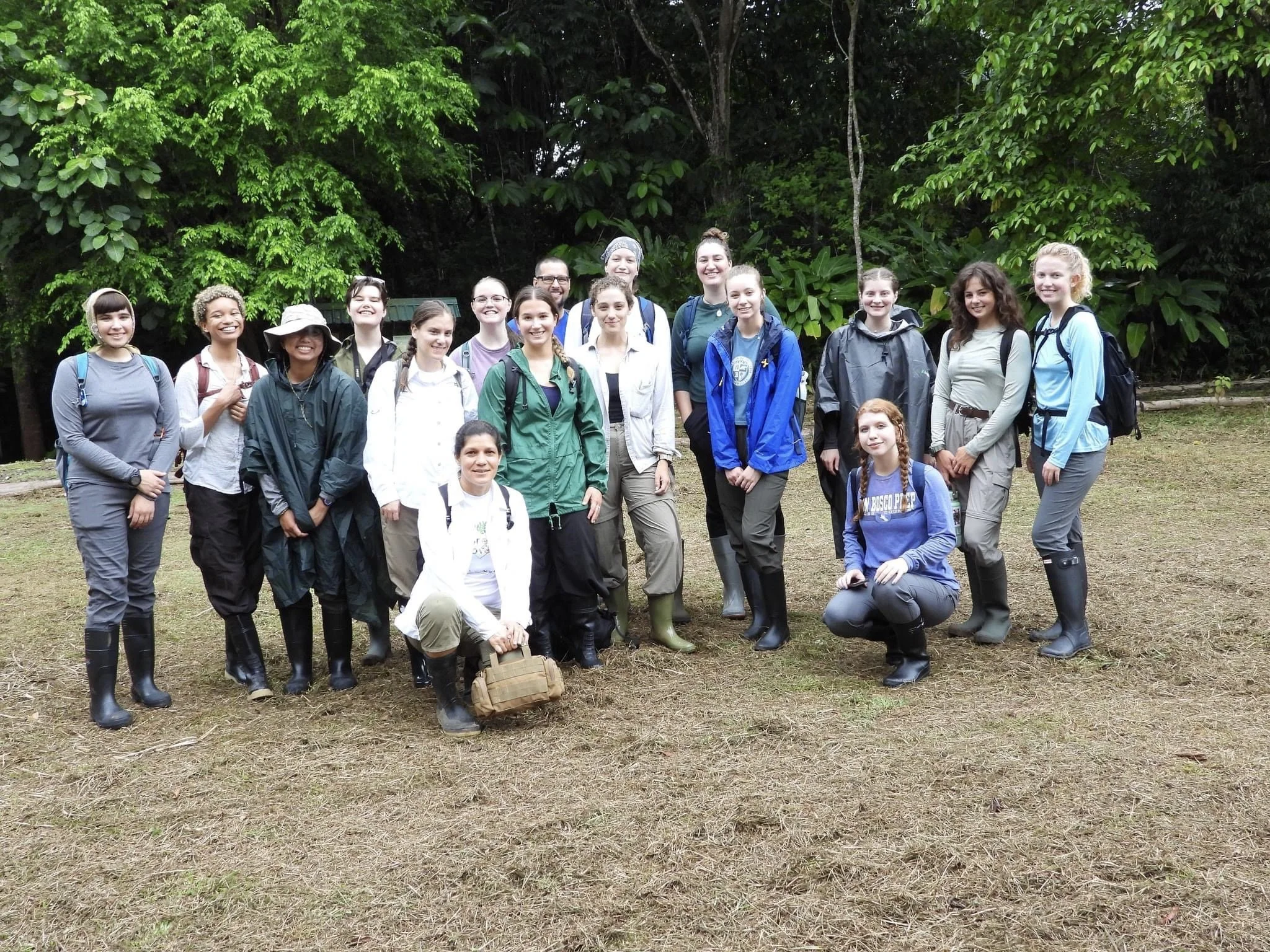
DANTA Methods in Primate Behavior and Conservation July 10th - July 25th, 2023
Day 1. Arrived in San Jose, Costa Rica
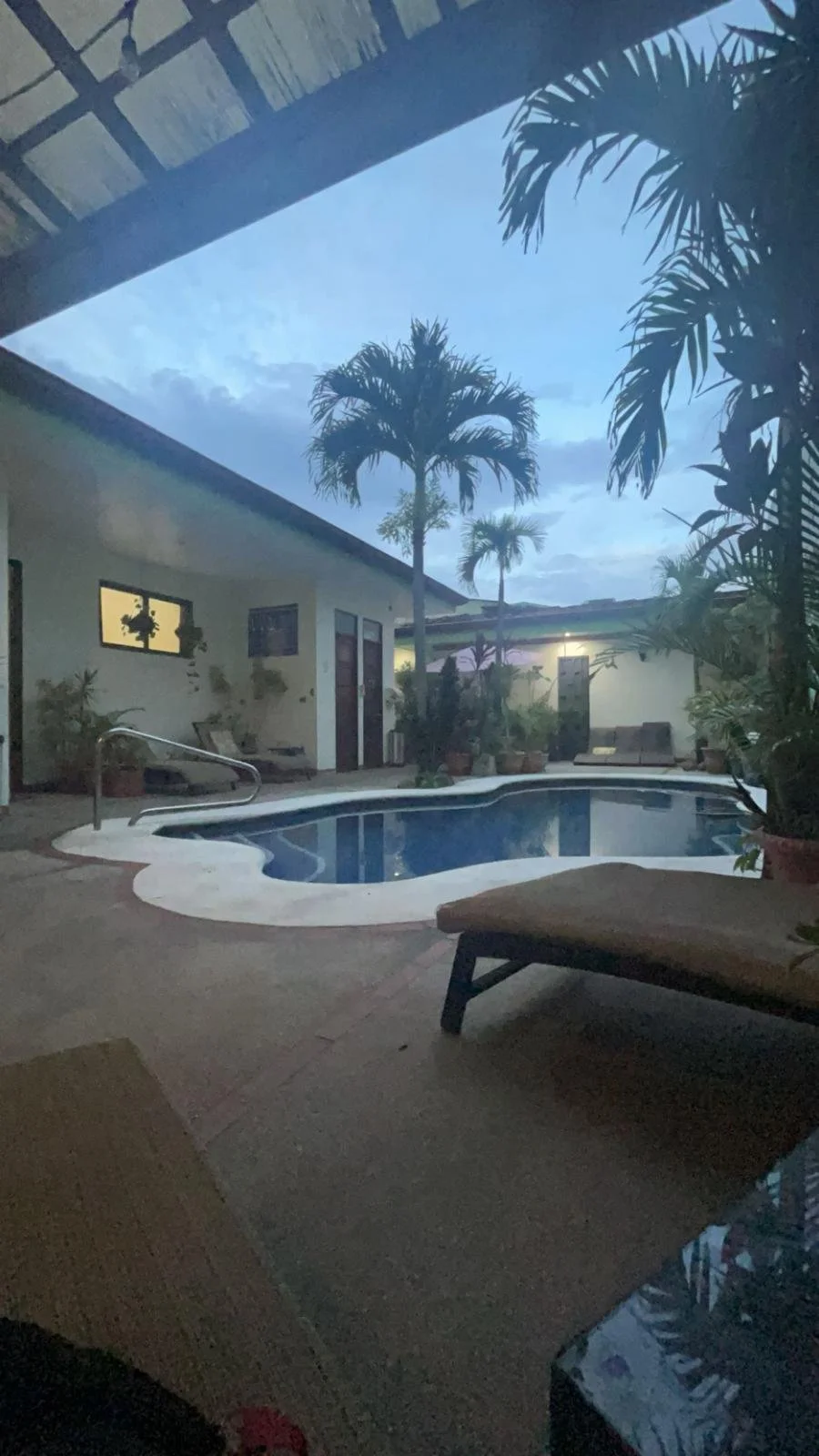
After landing in San Jose, 1 waited at the airport for my taxi to take me to Hotel La Guardia Inn & Suites in Alajuela. Once Tarrived, I was greeted by my instructor and had the front desk lake my luggage as I waited by the pool until it was time for me to check into my room. I think I was one of the first students to arrive. Once, more students started to arrive, I got to meet everyone, and I remember sitting by the pool coloring with some of the girls. It is always so much fun getting to know other students and why they were interesting in taking this field school.
Day 2. Trip to Zoo Ave Conservation Park
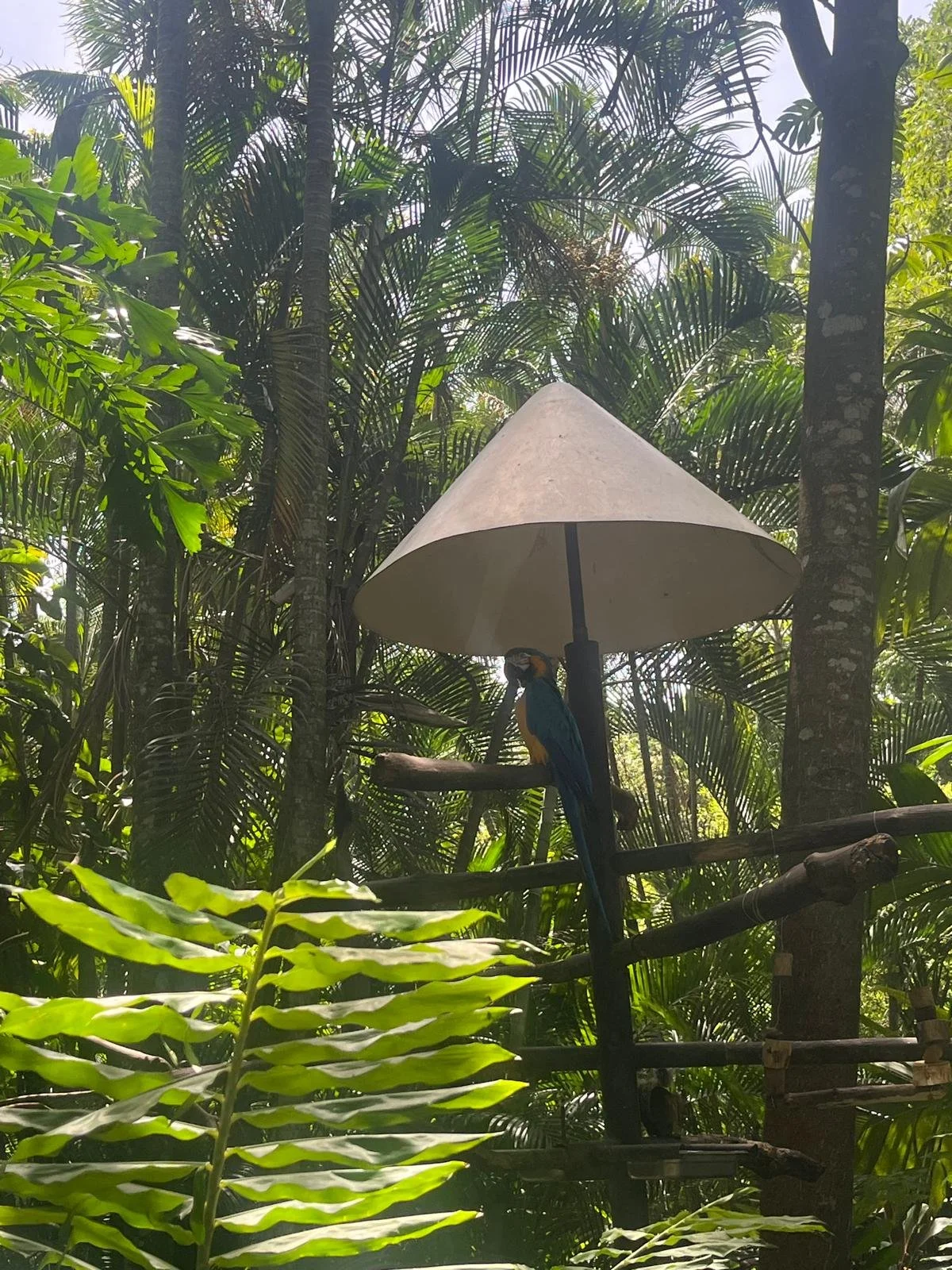
We visited Rescate Wildlife Rescue Center, which is a sanctuary for non-releasable wild animals. They have capybaras, jaguars, pumas, white-faced capuchin monkeys, toucans, a tapir, and a lion. The one thing I love about Costa Rica is how much they love and care about protecting their biodiversity, andes much as edugating others. Every single animal at the sanctuary has a story; most of them were kept as s pets. The sanctuary is known for the remarkable story of Grecia, the first toucan to ever receive a 3D-printed beak.
After, we got lunch and headed back to the hotel. We had free time, so we went to explore our surrounding area. We went out that night for a Chinese dinner and explored more after.
Day 3. Alajuela to Osa Conservation
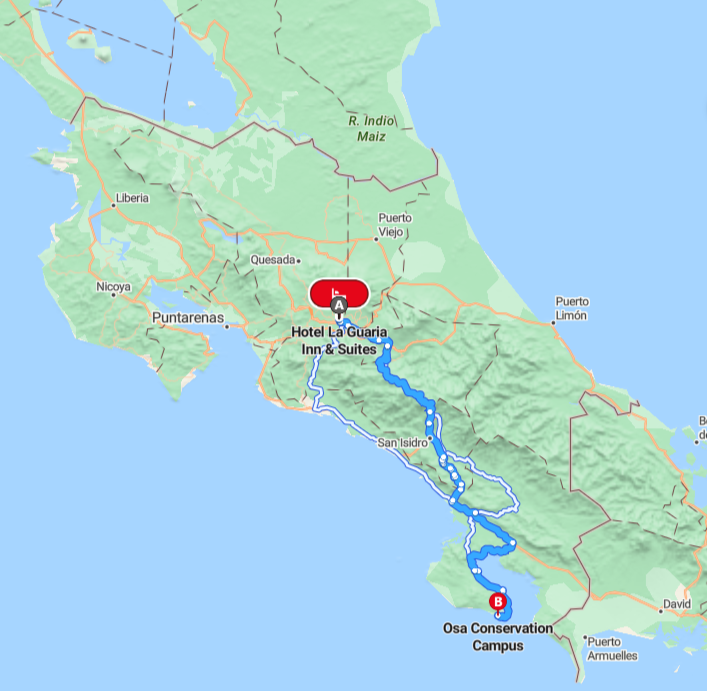
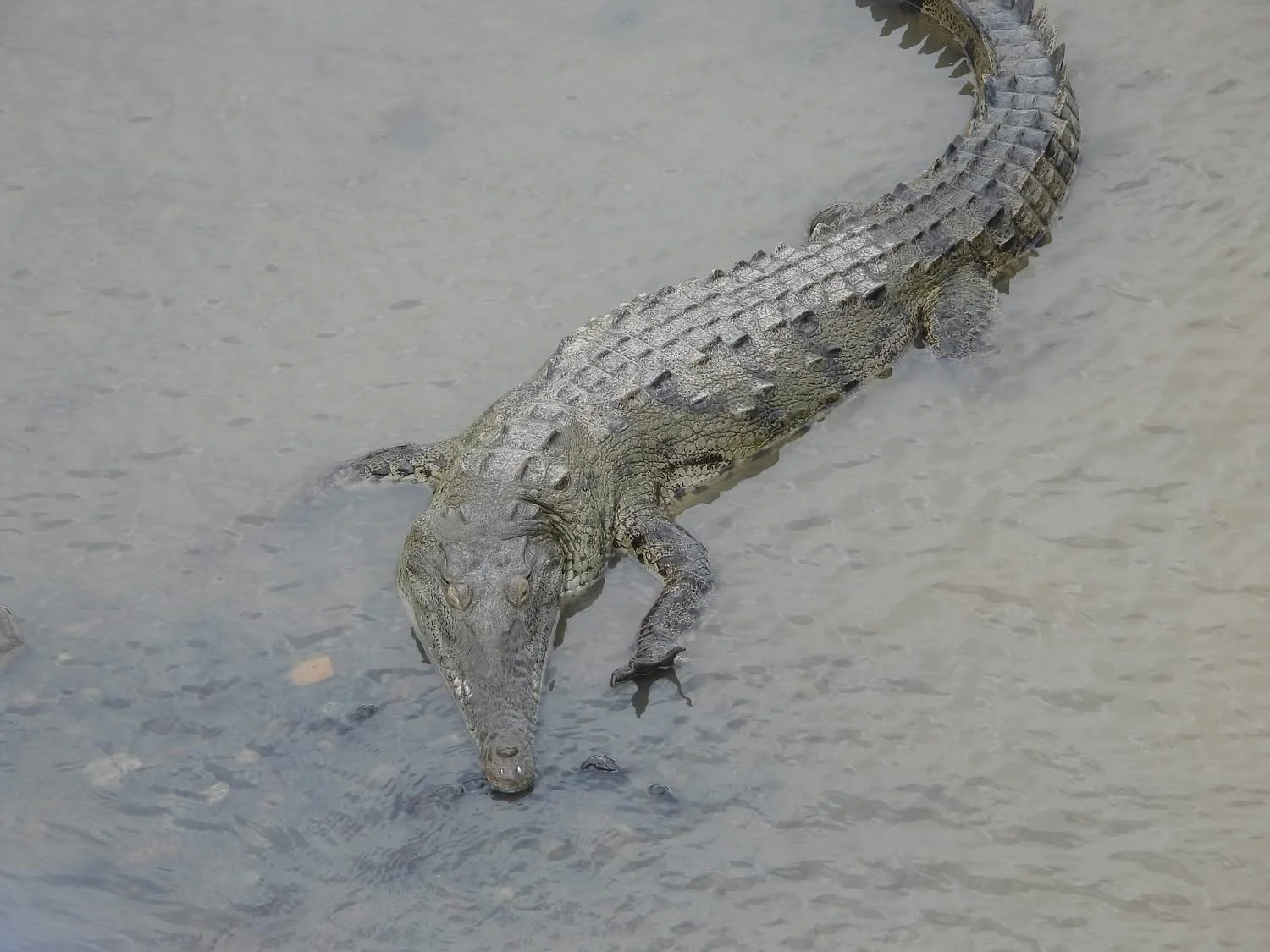
We woke up early, ate breakfast, and started our 5-hour drive to Osa Conservation. We stopped at 10am at Carara National Park for snacks, shopping, and visited the Tarcoles Bridge to see the crocodiles.
We continued our drive, and the views were breathtaking! We arrived in Dominical for lunch around 1 pm and then continued our drive until we got to the Osa at 7pm
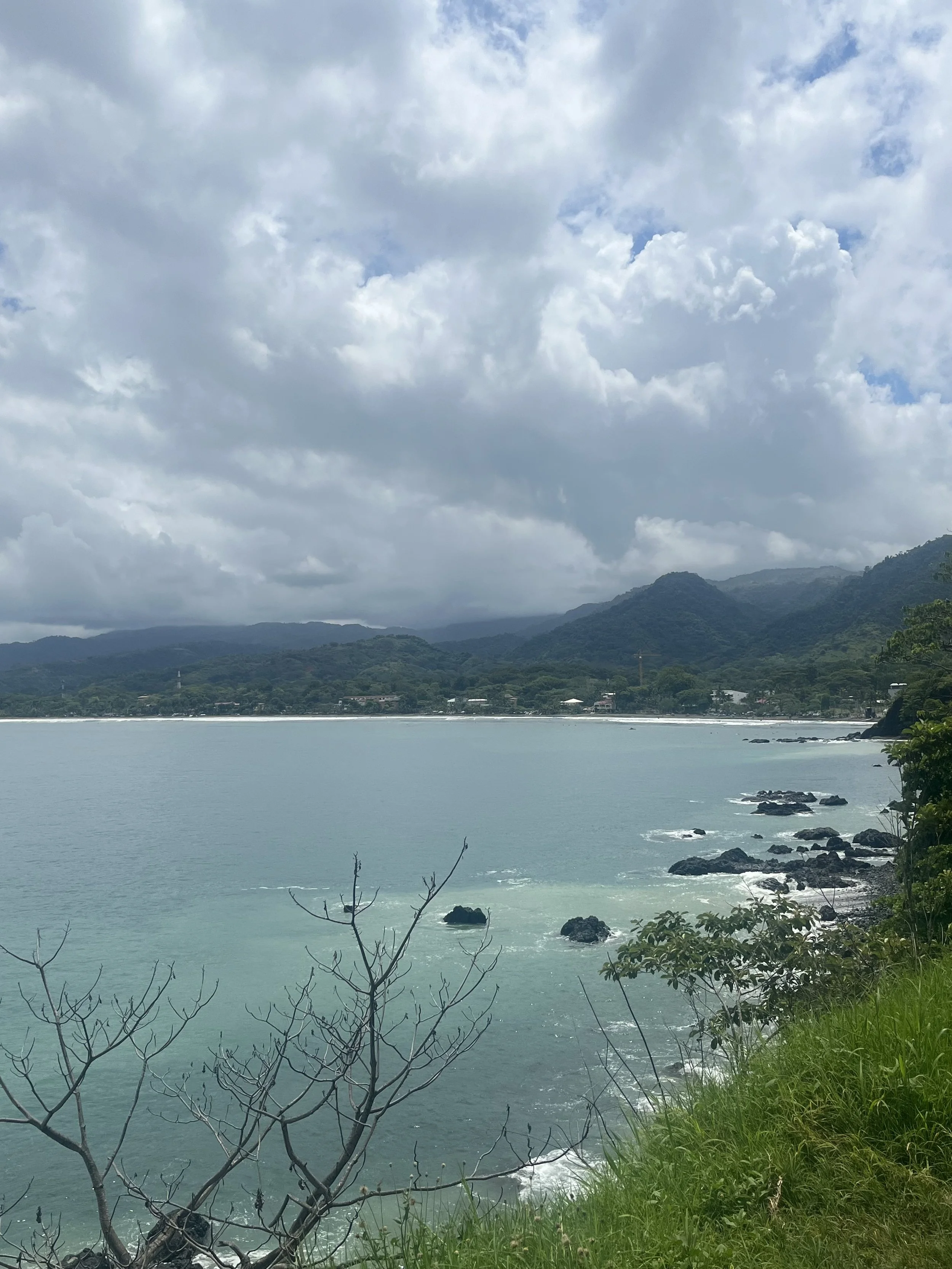
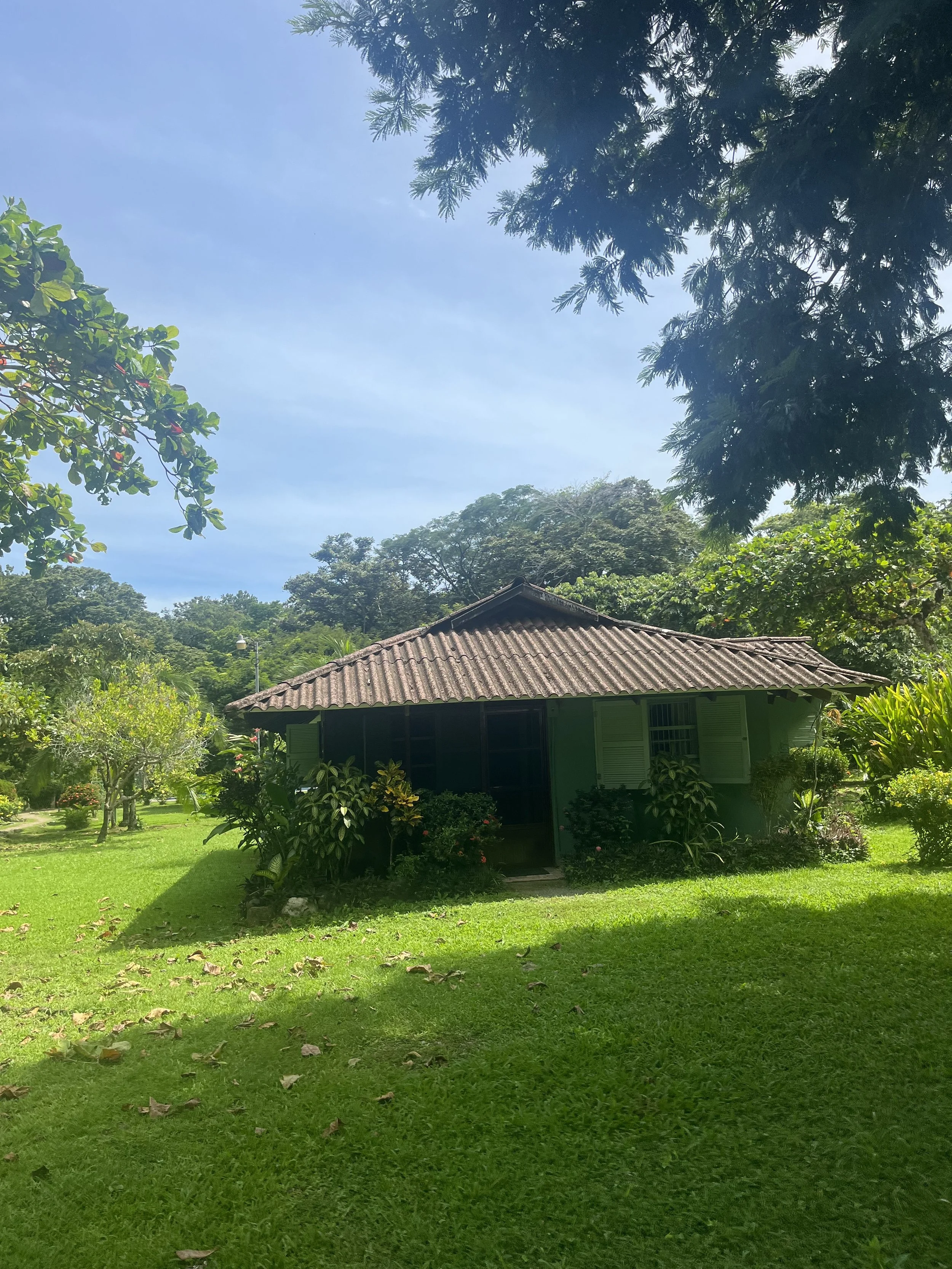
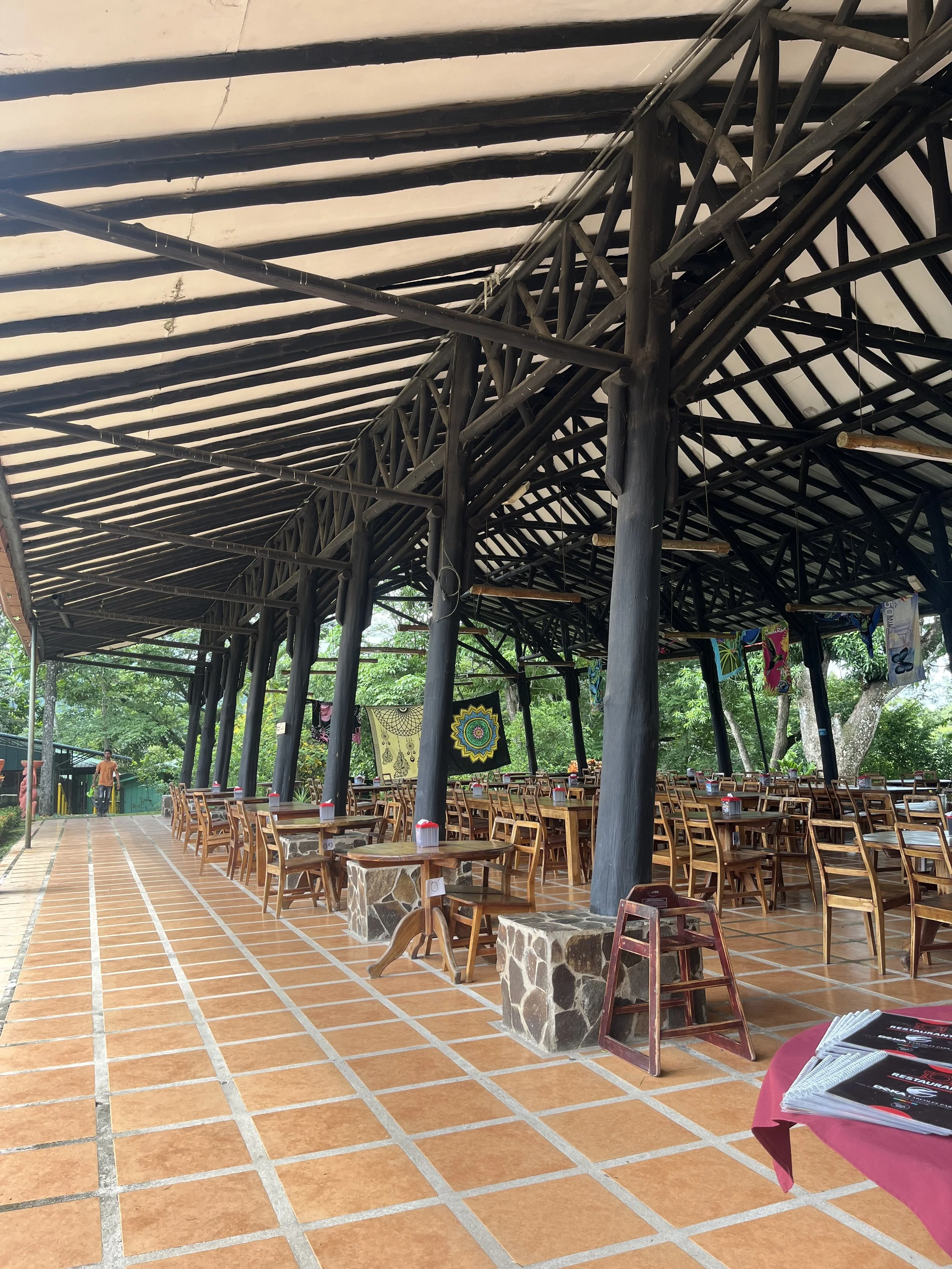
Once we got close to the campus, we stopped at a local grocery store to pick up extra snacks since that would be our only chance to get snacks. It was dark by the time we got to the campus. I remember carrying my suitcase so far along a rocky pathway. We arrived at the dining hall and walked to the dorm
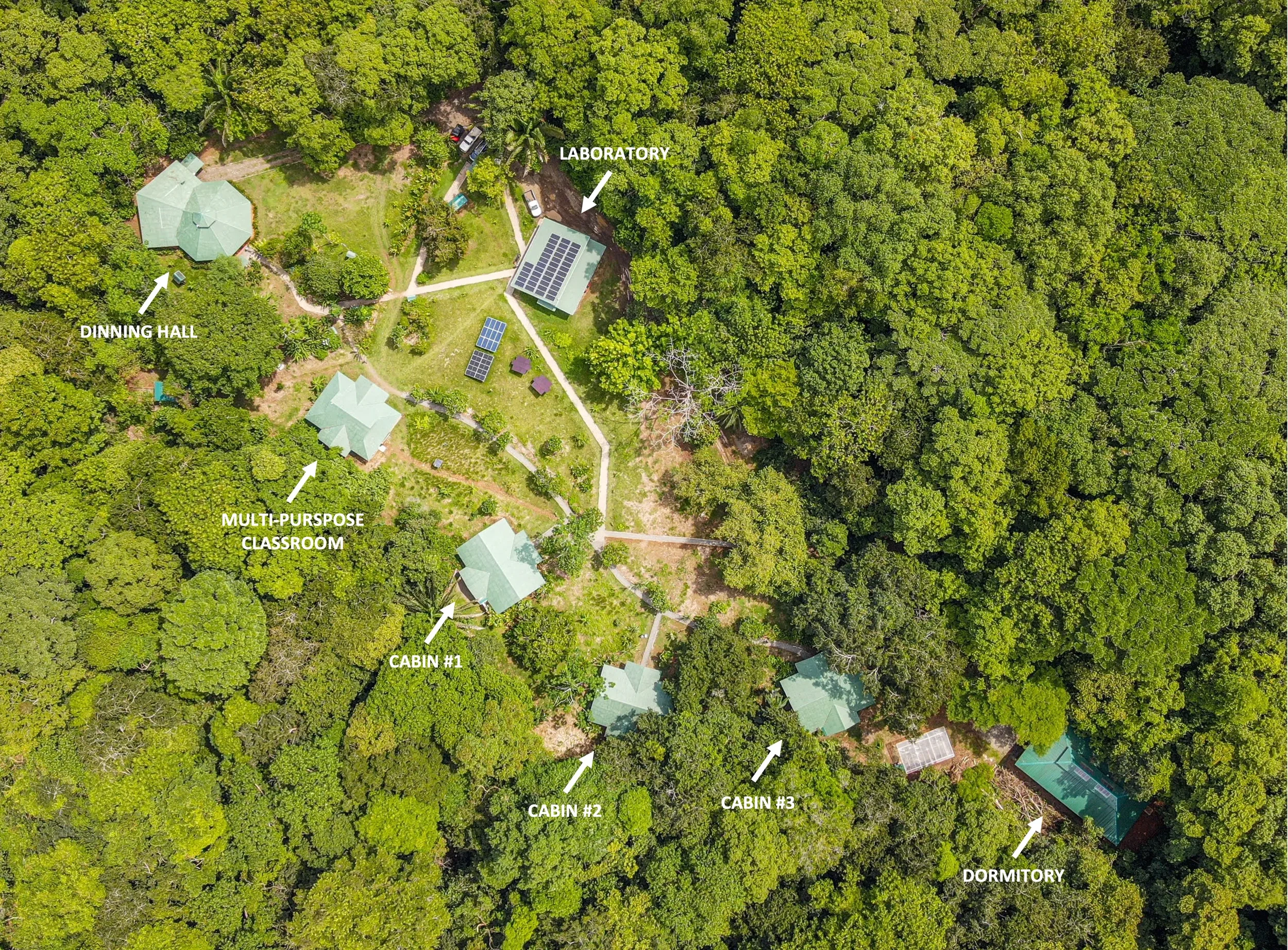
Once we got to the dormitory, we took off our shoes and waited to be assigned a room. There were three of us left, and they realized there was no room left, so the three of us got to spend the night at Osa Verde Lodge, which was a beautiful lodge near the campus. The three of us got driven there in a four-wheeler with a dog as the passenger. It was so insanely beautiful, like I was not expecting it to be such a luxury lodge, it was such a change from my field school in Uganda sleeping in tents.
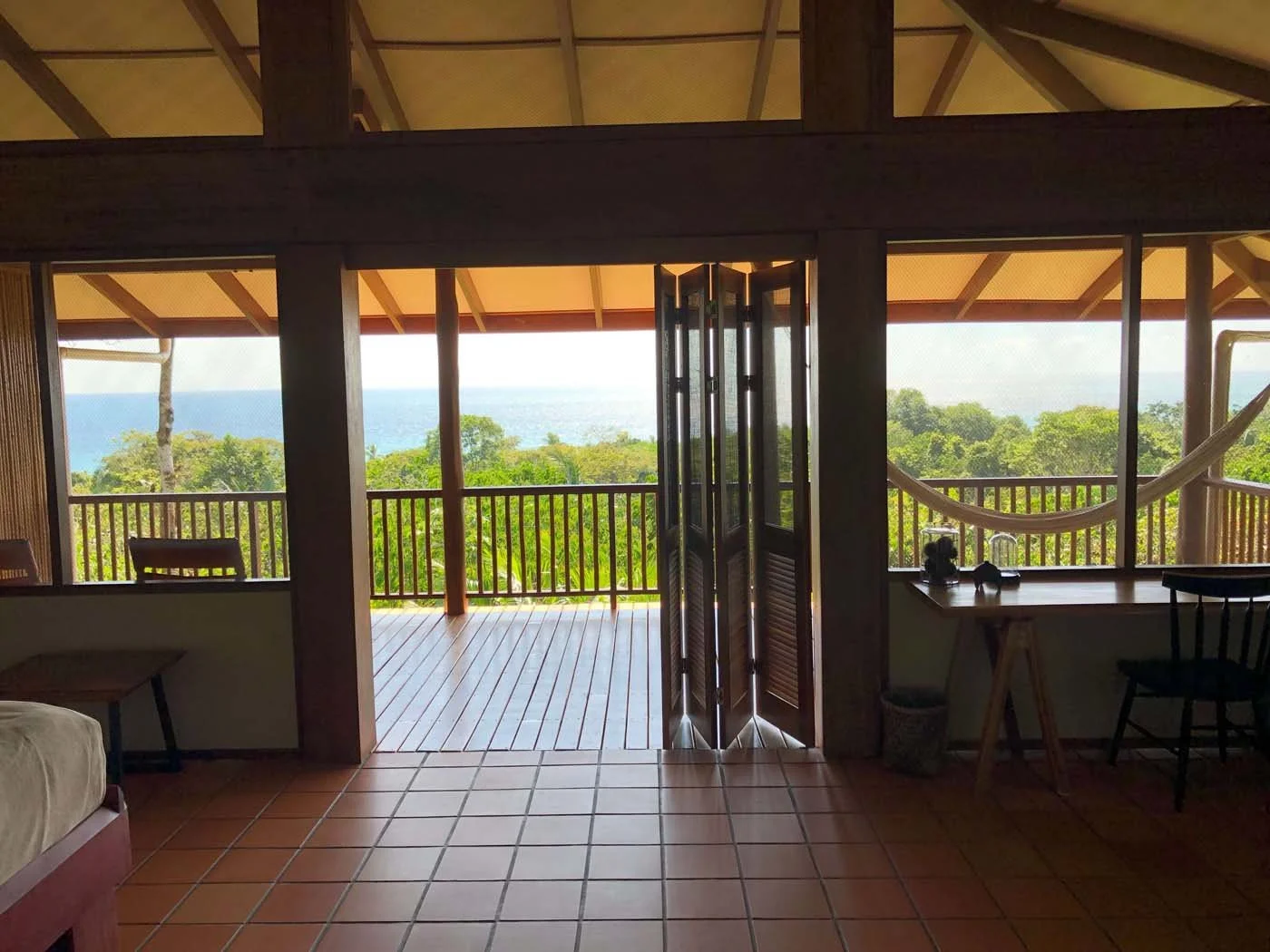
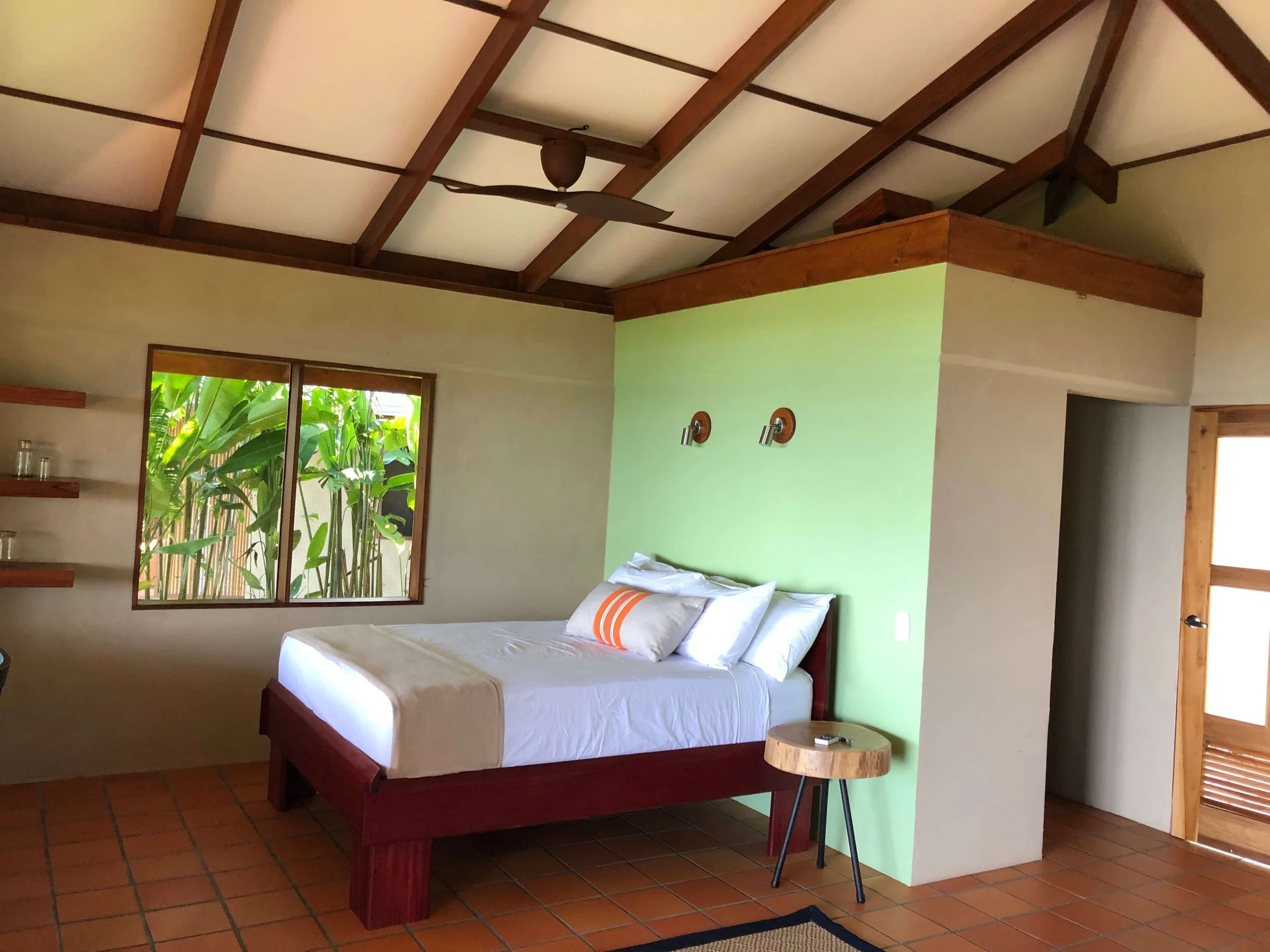
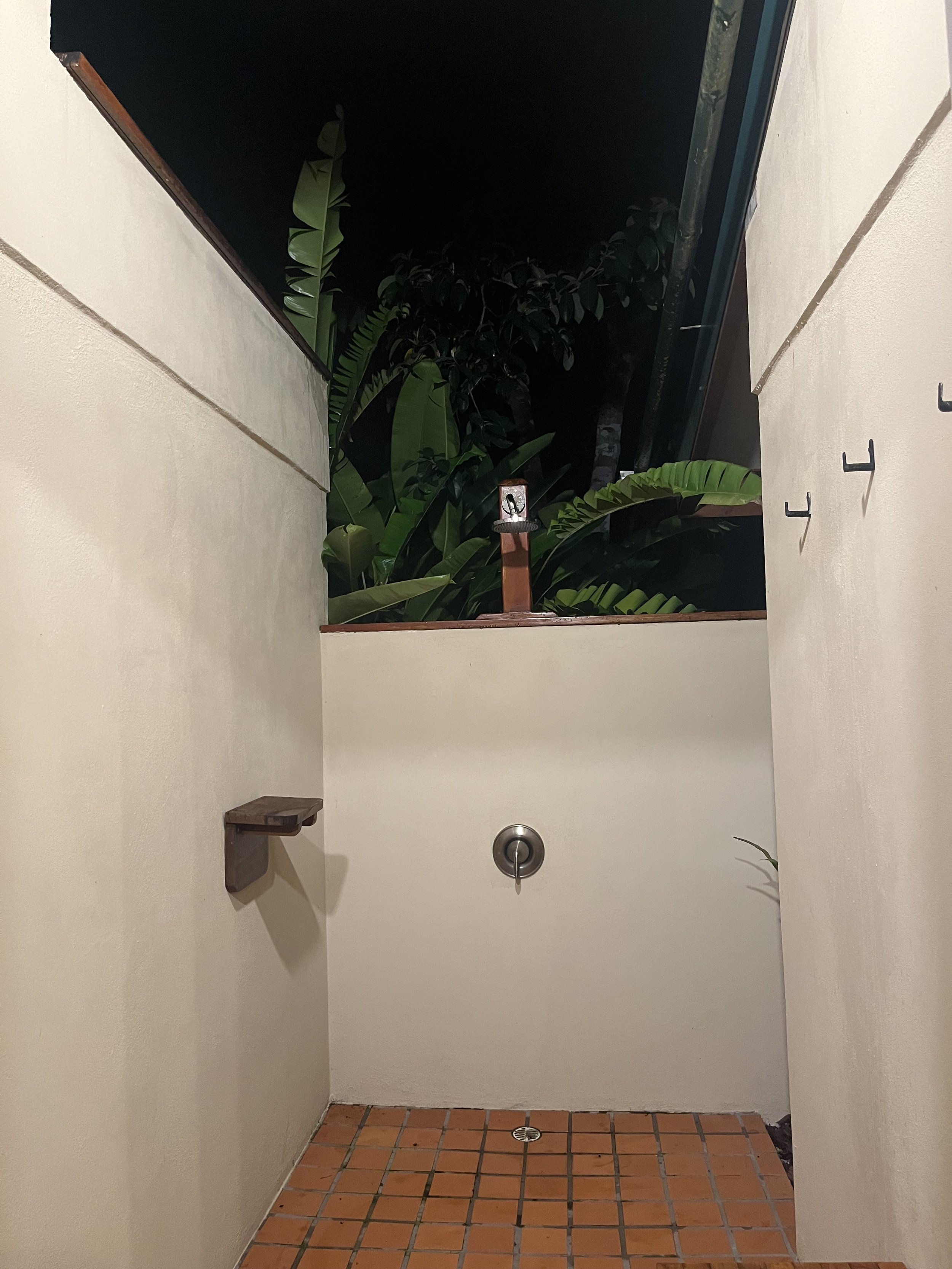
Waking up to hearing the toucans was so peaceful.
Once we got back to the campus and ate breakfast, our room was ready! I was shocked when I got to the room because I thought it would be bunk beds like everyone else's, but it was so much more.
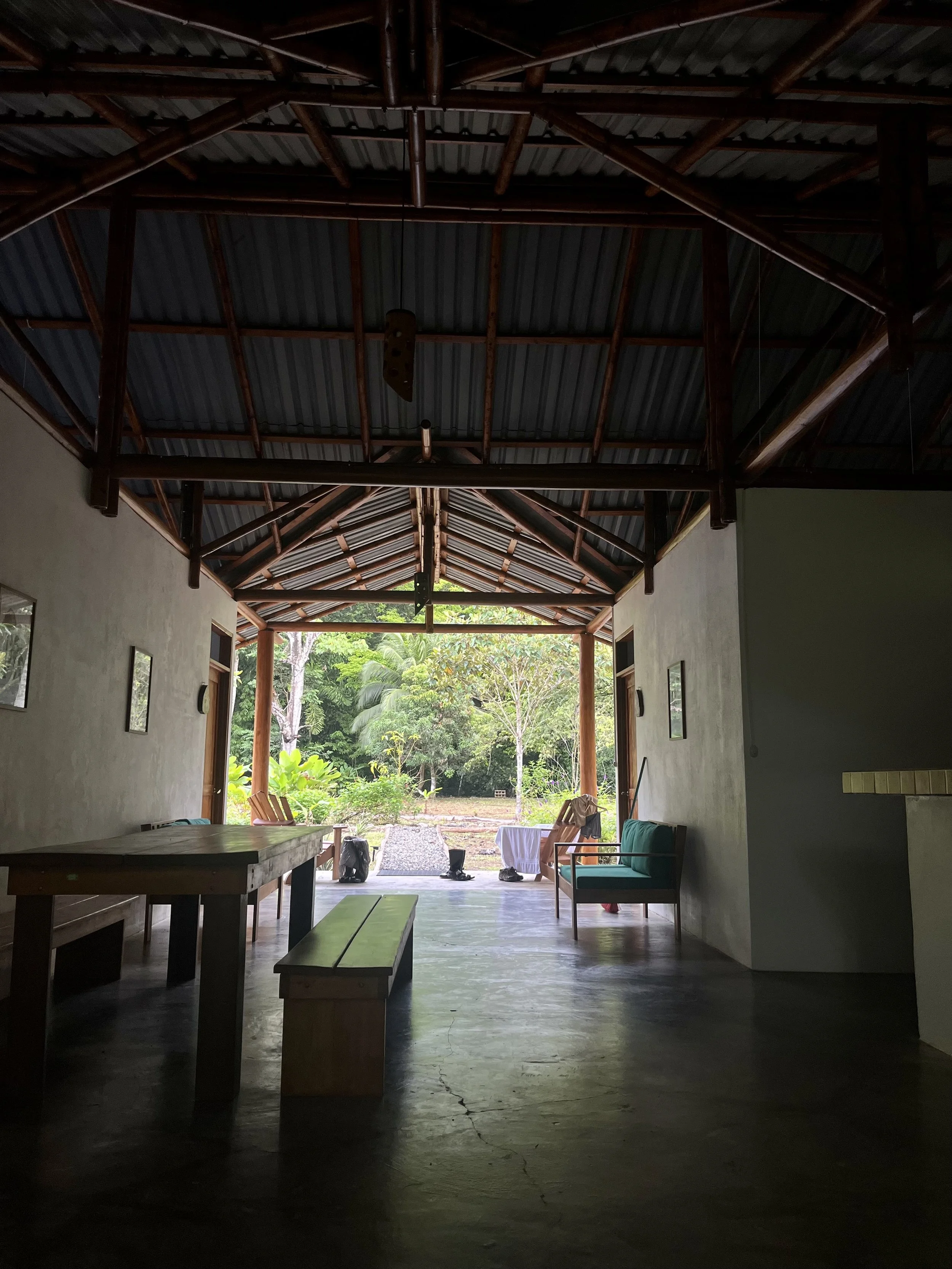
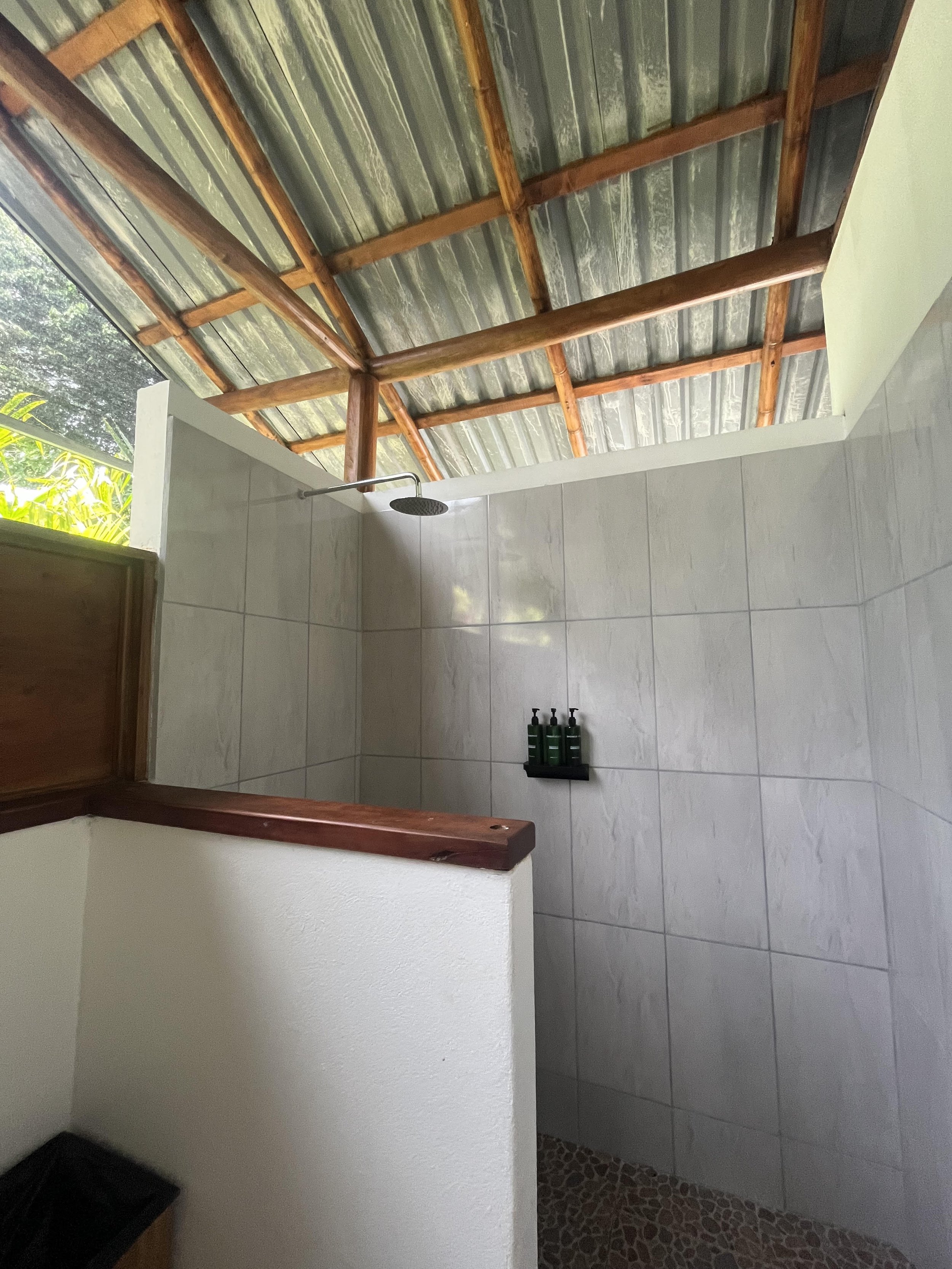
Day 4 - 11. Stay at Piro Research Station, Osa Conservation
My days at Osa Conservation were different than the other students since it was my same instructor I had in Uganda, the coursework would've been the same but on different species. So instead of doing the same coursework, i got lucky because a student of my instructor who took the course a year prior was coming back to do an independent study on black handed spider monkeys and was open to some help.
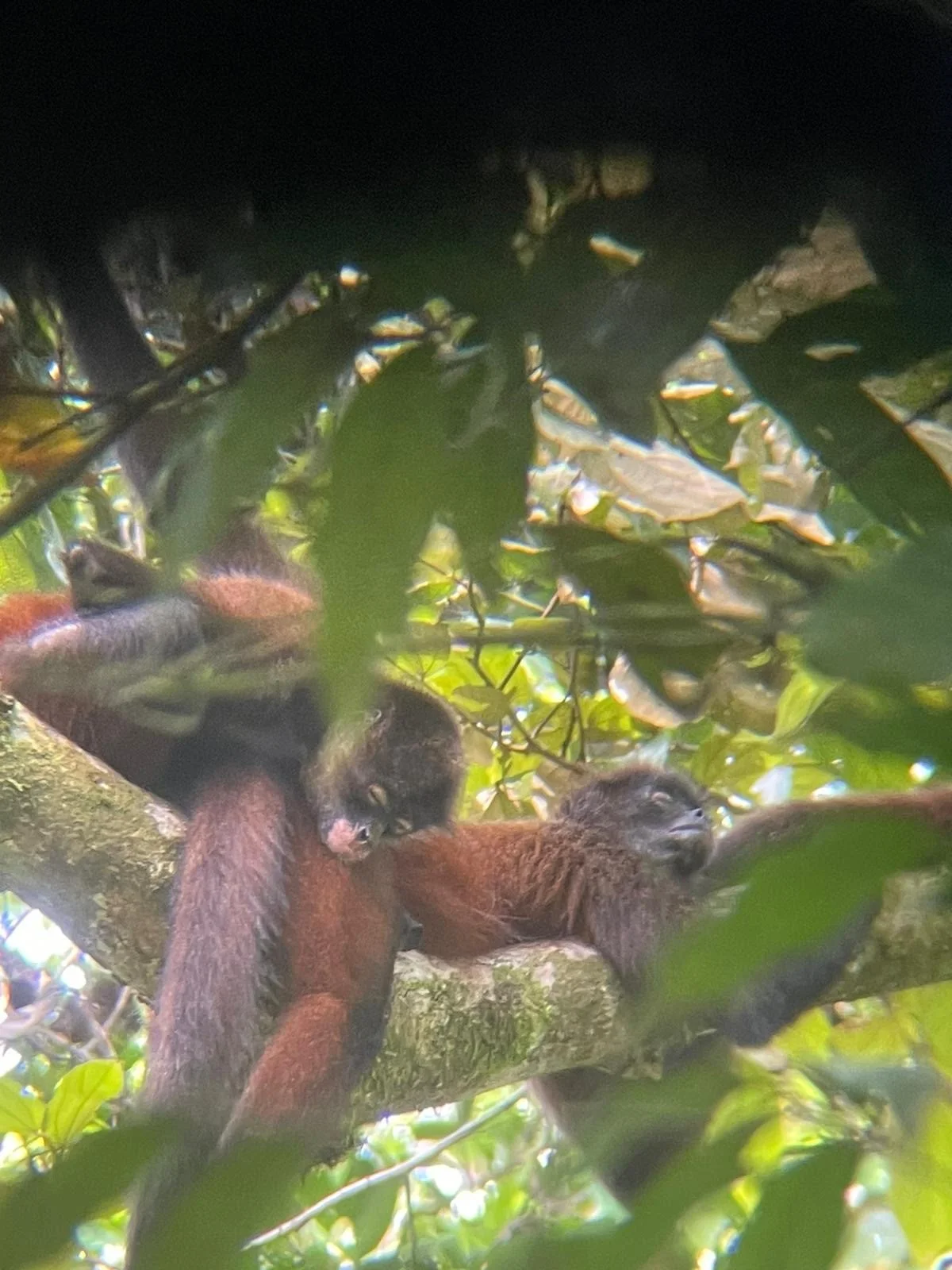
We used every day at camp to go out searching for the spider monkeys, and we got so lucky, out of all the species of monkeys in Costa Rica, we observed spider monkeys the most! After breakfast, each day we would go trek for them, we spent hours out in the field sometimes we would skip lunch and be out from 7am - 6 pm. We wouid go back to camp some days in the dark and immediately have dinner.
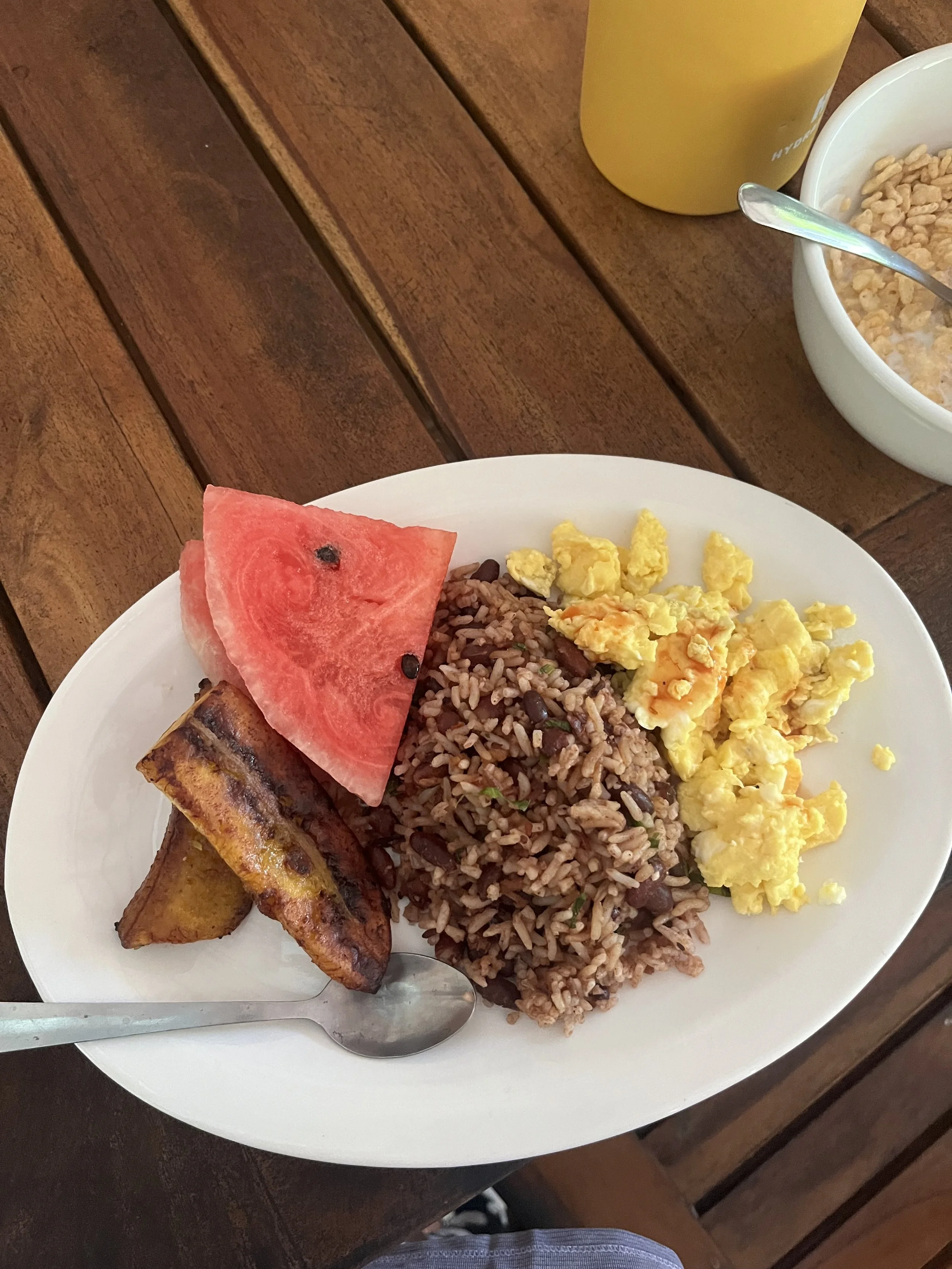
Breakfast
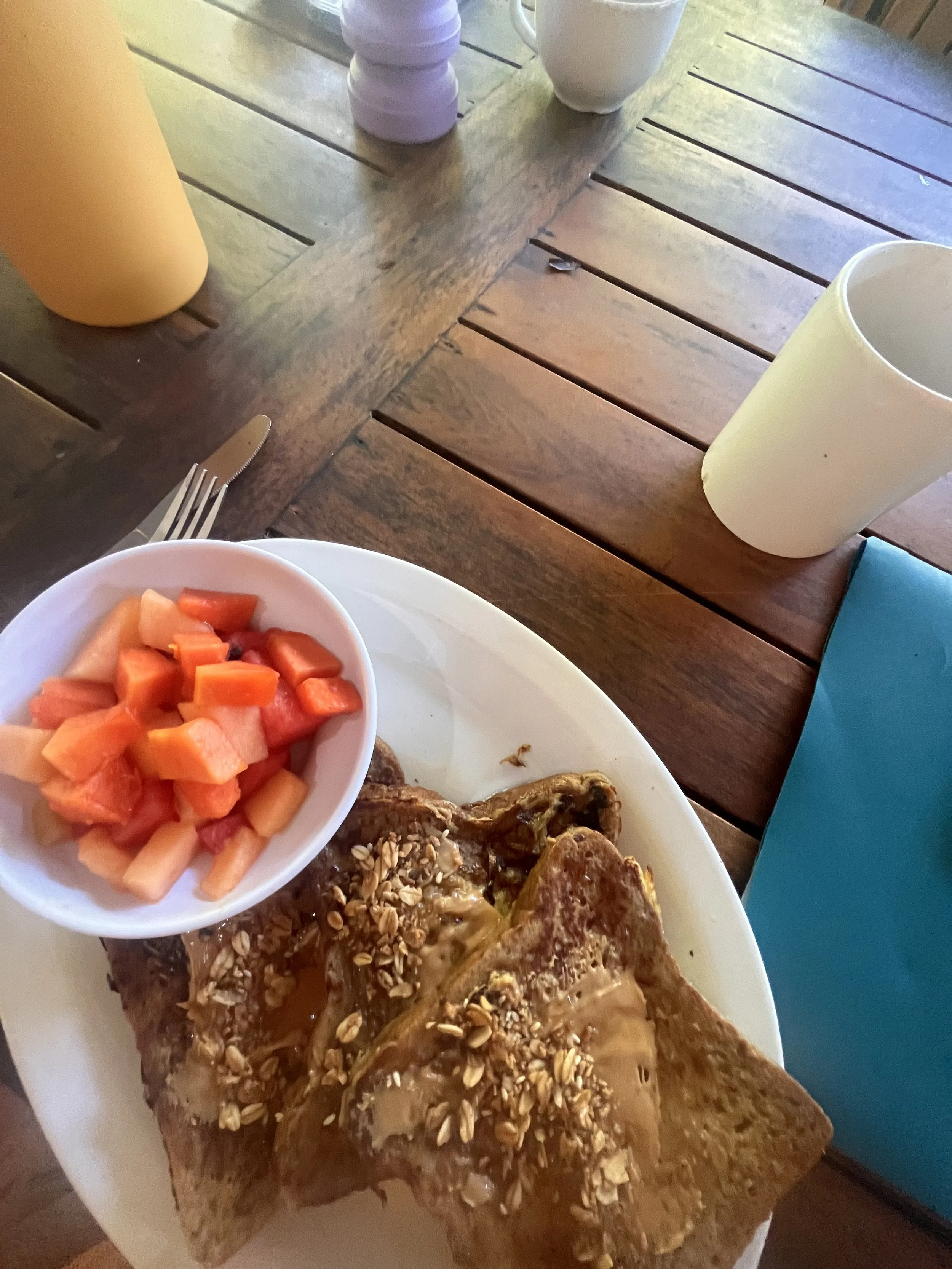
Breakfast
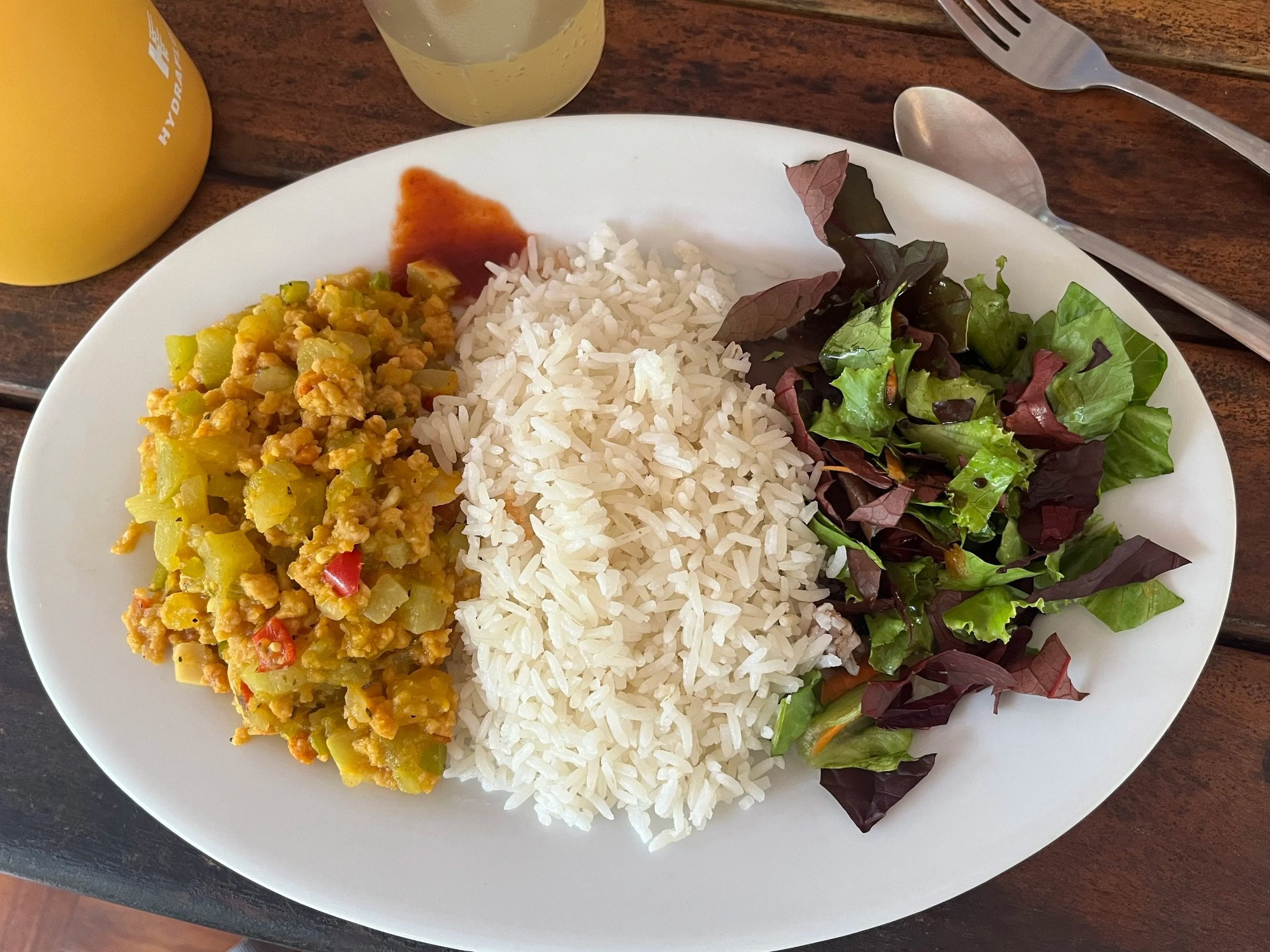
Dinner
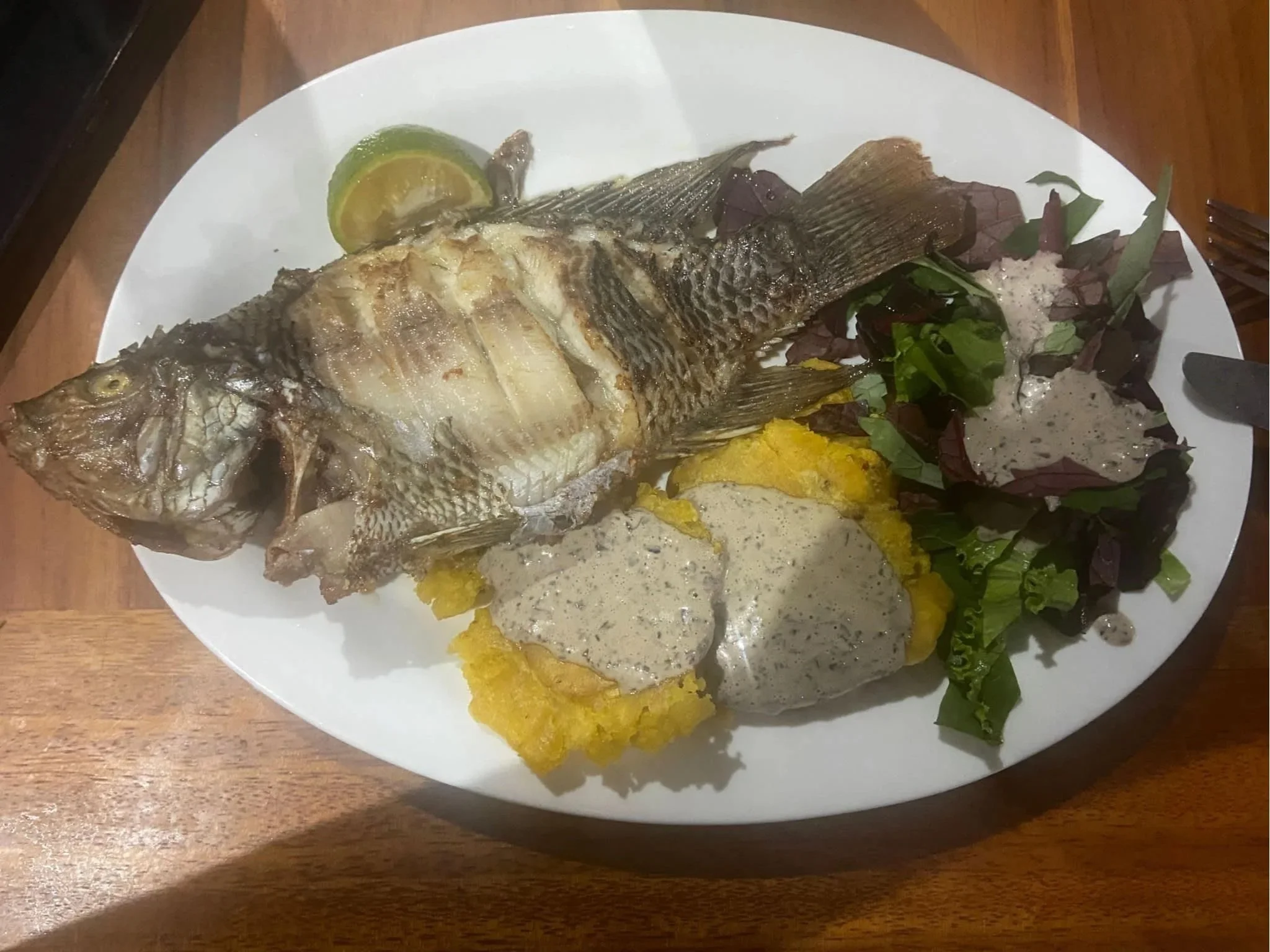
Dinner
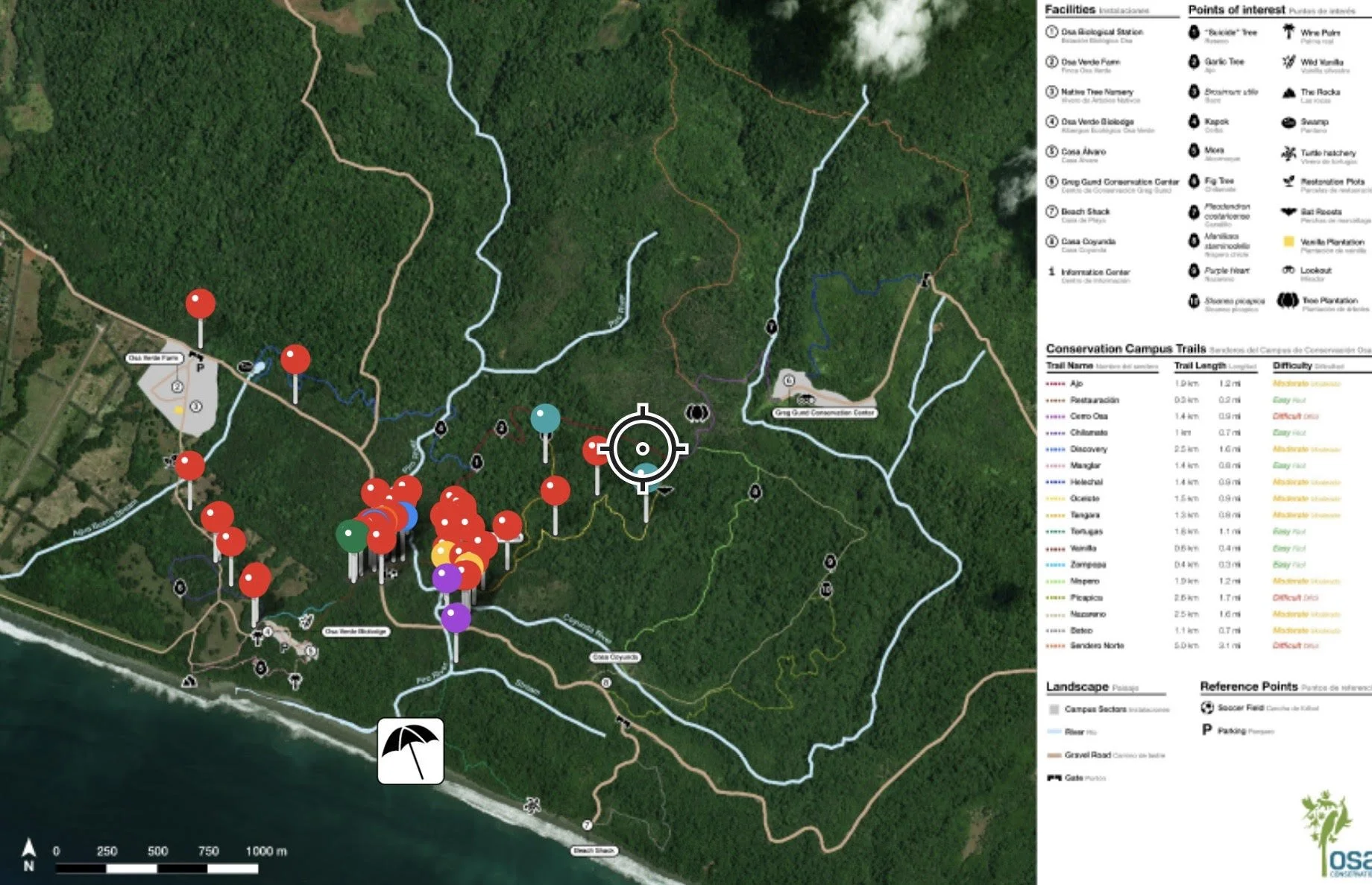
Osa conservation provided us with a map of the landscape and told us to downland the app Avenza map which allowed us to follow a GPS on the map to keep track of where we were and which trail we were on. The map was such a amazing tool to have. We pinned whenever we saw spider monkeys and recorded subgroup size, somposition, estimated proximity of members, and individuals' sex, age, primate behavior (feeding, moving, resting). The same color pin indicated what we thought we were the same group. For only collecting data for 8 days, we observed the spider monkeys a lot.
Day 12. Travel to Golfo Dulce
Day 13. Visit Finca Kobo